Rates · for creators
How to Raise Your Rate With Your Own View Data
- Show the trend across your last few posts for a brand, not your best post or your follower count.
- Ask with one specific number attached, timed before the next renewal is planned, not mid-campaign.
- If the brand says no, ask for a smaller concession, or a raise starting at the next renewal.
The fastest way to raise your rate is to bring your own view history to the conversation. Pull the view counts from your last few posts. Show the trend. Then name one specific new number, before the brand plans its next deal.
Brands budget from expected reach. They don't budget from how long they've worked with you, or how much they like your content. A rate ask backed by dated view counts reads like a business case. A rate ask backed by a feeling reads like a favor, and favors get put off.
This works whether you have three brand deals or three hundred. The method is the same either way. Only the amount of history you have to draw on changes.
What to bring to the conversation
Pull the view count for every post you made for this brand. If this is your first renewal, use a closely comparable brand instead. Add the date each post went live.
Read the numbers from the platform itself, not from memory. Don't rely on an old screenshot either — view counts keep climbing after a post goes up, sometimes for weeks.
You're building a trend line, not a highlight reel. A brand wants to know what your typical post looks like now, and whether it's bigger than it used to be. A single great post doesn't answer that question on its own.
- Dated view counts for your last three to six sponsored posts, ideally with this same brand
- The direction of the trend, not just your best post
- Performance on the exact platform this deal is on
- Any repeat bookings with this brand — proof they already trust your work
What to leave out
Leave out your follower count. Brands running per-view or flat-fee deals are buying reach and results. A big following that doesn't show up in views for this kind of content proves nothing they're paying for.
Leave out your single best post ever, used alone. One outlier proves you can hit a big number, not that a big number is typical. Pair it with the rest of the trend, or skip it.
Leave out platforms and formats that aren't part of this deal. Leave out unpaid organic posts too. They took far less production effort than a paid deliverable, and a brand will notice the mismatch right away.
When to raise it
The best moment is after two or three posts have gone live and performed, and before a renewal is planned. Ask while the brand is still deciding next quarter's budget, not after they've already written a number down.
Raising it mid-campaign, on a deal you already agreed to, rarely works. It can look like a renegotiation in bad faith. Save the ask for the gap between one agreement and the next one.
Anchor the ask to a number, not a feeling
Turn your trend into one dollar figure. Put it in writing, with the numbers attached. Don't open with a vague "can we talk about my rate."
A brand can say yes or no to a number in an email fast. A vague conversation has to go find a number later, and that slows everything down.
If you're moving from a flat fee to per-view, or the other way, say so directly. Show what your own recent views would have paid under the new structure, using their numbers, not a market average.
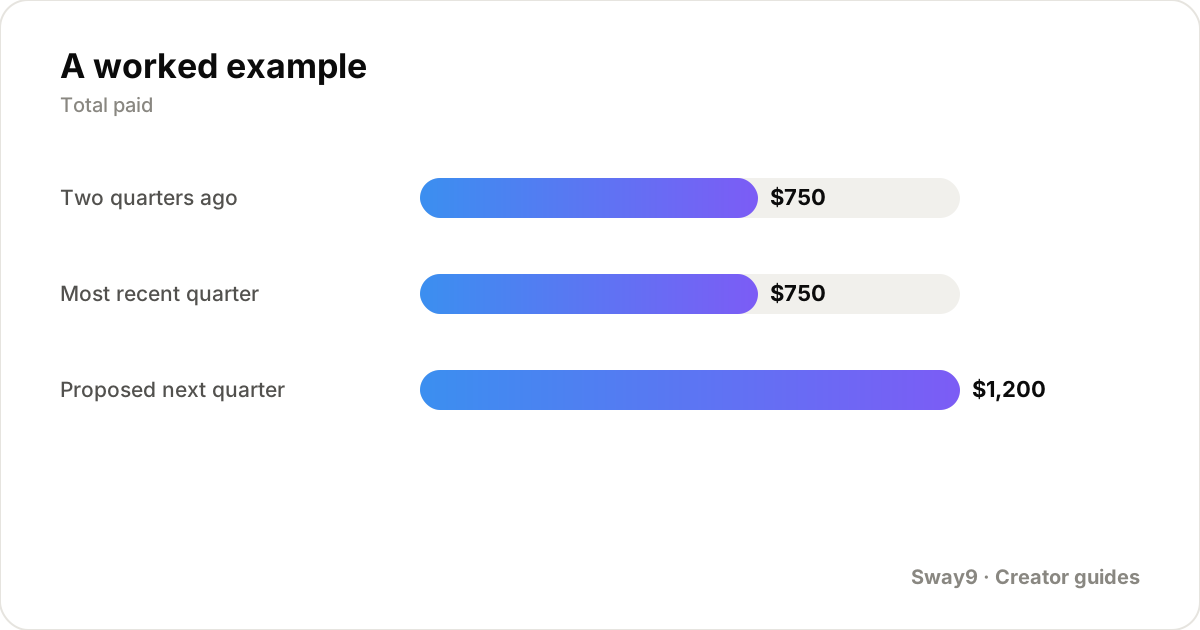
A worked example
Here's how a real trend turns into an ask, step by step.
| Period | Total views | Total paid | Effective rate |
|---|---|---|---|
| Two quarters ago | 27,000 | $750 | $27.78 |
| Most recent quarter | 74,000 | $750 | $10.14 |
| Proposed next quarter | 74,000 | $1,200 | $16.22 |
If the brand says no
A flat no doesn't have to end the conversation. Ask if the increase can start at the next renewal instead of right now. That costs the brand nothing this cycle, and commits them to something concrete for the next one.
If the cash budget is genuinely fixed, ask for something else. A shorter usage-rights window, so the brand can't run your content in ads forever. A fee if they extend usage later. Or first refusal on their next campaign.
If you make the same case with the same growing numbers across two or three cycles and the rate never moves, that's a signal. It's a signal about the relationship, not just the budget. Spend your growing reach on a brand that will pay for it instead.
Keep the habit going
Review your own view history every few months, whether or not you plan to ask for anything. That way the trend is always ready when an opening shows up.
Creators who track every post's views automatically, as they come in, walk into these conversations with a real number. Creators who screenshot once and hope to remember walk in with a guess instead.
This matters more once you're juggling several brand deals at once. Without a running record, you rebuild the same trend from scratch every time a renewal comes up. You can also miss the moment to raise it entirely.
Frequently asked questions
How big a raise should I ask for?
Anchor it to what actually changed, not a round number. If your average views roughly doubled since your last agreed rate, a proportional increase is easy to defend.
Do brands expect creators to negotiate?
Most do, especially once you've delivered a few successful posts. A first rate is often set conservatively because neither side has data yet. Asking for a revision once you do is normal, not pushy.
What if I don't have much history with this brand yet?
Use your history with a closely comparable brand or format instead, and say so plainly. A trend from similar content still beats no data at all.
Should I mention my follower count at all?
Only as context, never as the reason for the number. Lead with views and engagement on the actual sponsored format. Follower count doesn't predict either one reliably.
What if the brand says their budget is fixed for the year?
Ask for the increase to start at the next renewal instead of this cycle. Or trade for a non-cash concession, such as a shorter usage-rights window. Both cost the brand less than an immediate raise and still move you forward.
Track your own accounts
Add your TikTok and Instagram handles, set each brand deal up as a campaign with its rate, and Sway9 pulls in every post and view and works out what the deal is worth. From $22/mo, cancel any time.
Get started Cancel any time · unlimited team members on every planSources: How to pay creators per view